Start with a balanced whole-bean blend and a dry-looking surface, then adjust strength and grinder only as the exact machine permits. Use bolder chocolate-led coffees for milk drinks and check the manual before loading very dark or visibly oily beans.
The right bag is the one that suits the drink, grinder and amount of adjustment you actually want to make. Start with flavour direction, then confirm whole-bean format, current roast information and the seller’s exact bag.
A familiar profile makes strength and grind changes easier to judge.
Choose enough body and roast character to remain visible through milk.
Follow exact grinder and bean restrictions rather than generic internet rules.
Choose a flavour direction—not a made-up winner.
Product recipes can change with crops and availability. The roaster page remains the product evidence source; Amazon buttons are clearly labelled search links.
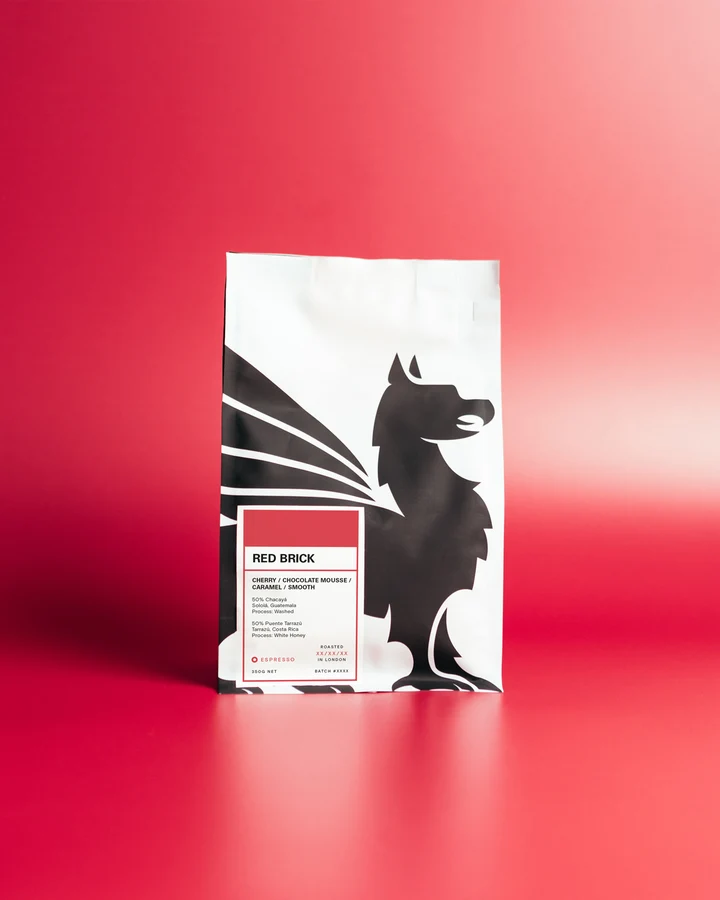
Red Brick
Seasonal espresso blendPotentially rewarding, but the changing components make it better for owners willing to adjust strength or grind when a new bag behaves differently.
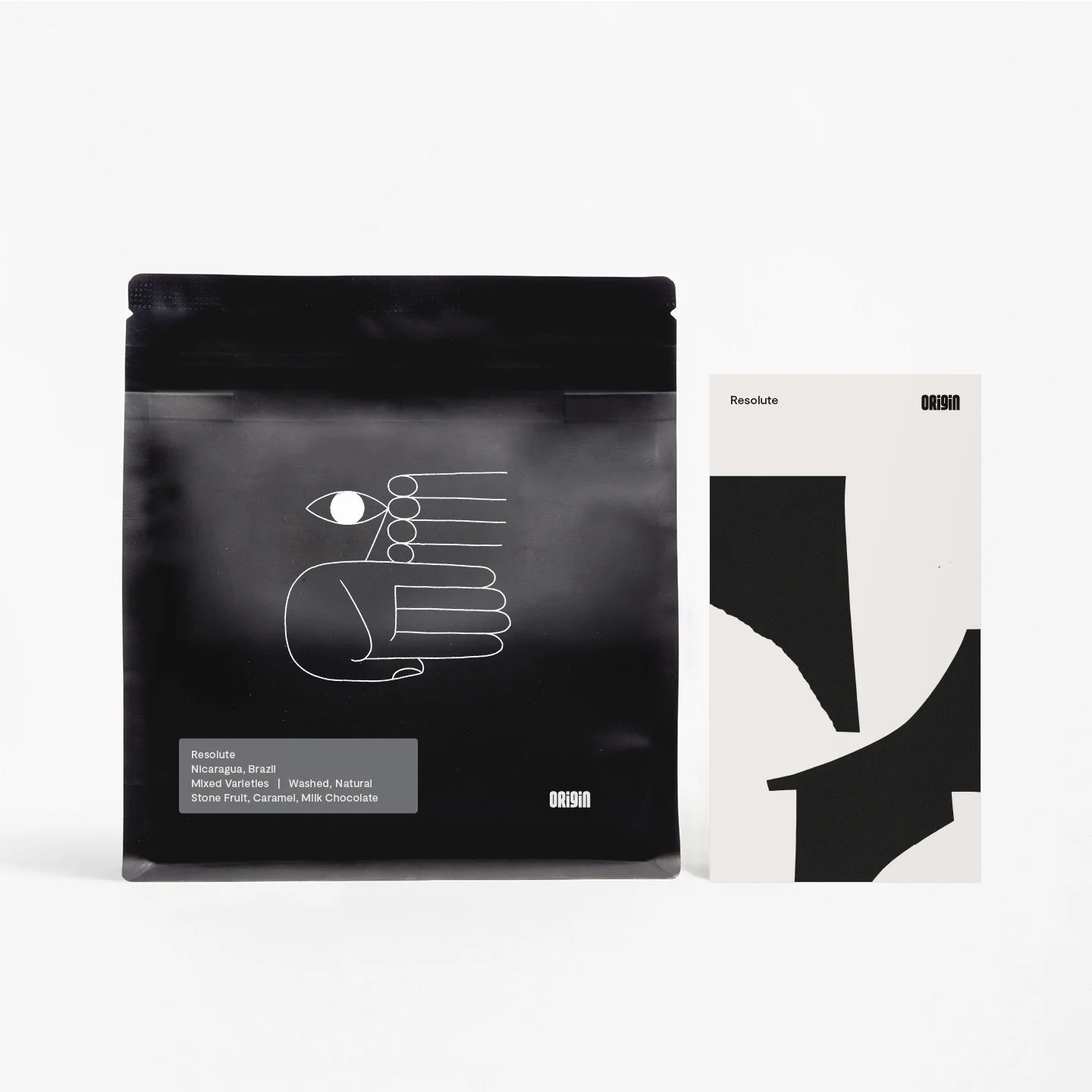
Resolute
Stone fruit · caramel · milk chocolateA useful balanced route for owners who want chocolate and caramel familiarity with some fruit character still visible.
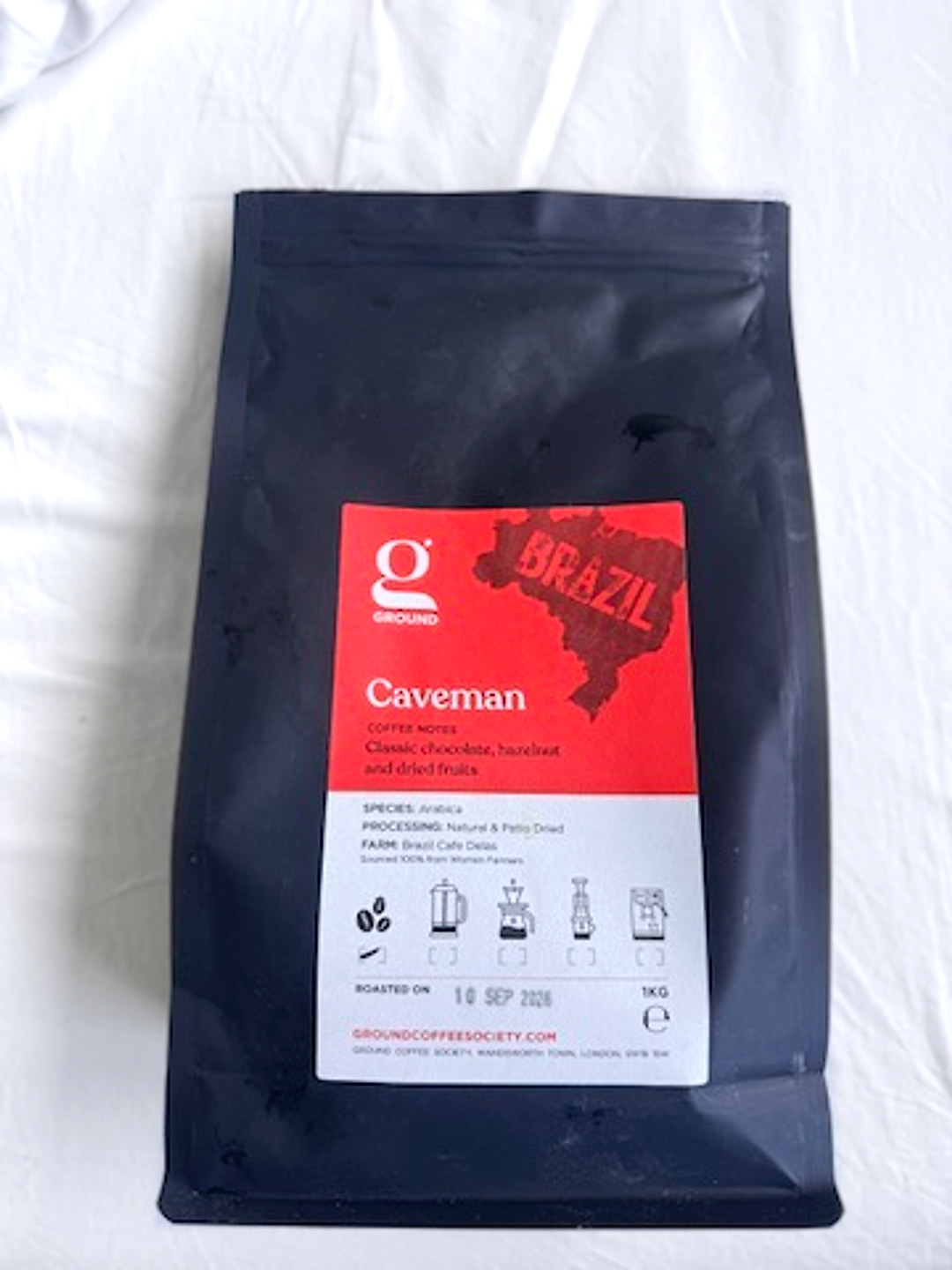
Caveman House Espresso
Classic chocolate · hazelnut · dried fruitA familiar, lower-friction flavour direction for automatic machines; always check that the beans are dry enough for the exact grinder and follow its manual.

Press Blend
Clementine · salted caramel · hazelnutA versatile everyday blend for buyers who want caramel and hazelnut body without losing all of the brighter Colombian character.
Start with a dependable everyday profile
An automatic machine offers fewer puck-preparation controls than a manual espresso setup. A balanced blend makes it easier to use the strength, aroma and grinder controls that are available.
- Choose whole beans, not pre-ground coffee, for the hopper
- Begin near the machine’s default strength
- Change one setting, then judge several drinks consistently
Be cautious with visibly oily beans
Some very dark roasts can show surface oil. Automatic-machine guidance differs, so check the exact manual before using beans that may stick in a hopper or leave more residue in the grinder path.
- Inspect the beans rather than relying only on the roast word
- Do not add flavoured or coated beans unless explicitly allowed
- Clean the hopper and grinder path only as the manufacturer instructs
Tune for milk at the drink level
A coffee that tastes balanced black may disappear in a large milk drink. Before changing beans, try a stronger aroma setting, a smaller milk volume or an extra shot where the machine offers it.
- Keep cup size consistent while comparing
- Use the same milk and temperature
- Judge after the drink cools enough to taste clearly
Switch bags without losing the old setting
Record the bean, strength and grinder position before changing. Move the grinder only while the exact machine instructs—many automatic grinders should be adjusted while running.
- Use the bypass chute for a one-off decaf when supported
- A removable or switchable hopper reduces waste
- Expect retained beans to affect the first drink after a change
Questions buyers ask before opening the bag.
Can I use any coffee beans in a bean-to-cup machine?+
Use ordinary roasted whole coffee beans unless the exact machine manual says otherwise. Check before using flavoured, coated, caramelised or very oily beans because grinder and hopper guidance varies by manufacturer.
What roast is best for a bean-to-cup coffee machine?+
A balanced medium or medium-dark blend is a practical starting direction. Choose by the drink and flavour you want, then confirm the beans are suitable for the machine rather than assuming one roast level is universally best.
Why does my bean-to-cup coffee taste weak in milk?+
The bean may lack enough intensity for the milk ratio, but first try a stronger aroma setting, smaller drink, reduced milk or extra shot where supported. Keep one recipe stable while comparing.
When should I adjust the built-in grinder?+
Adjust only as the exact manual directs, usually in small steps and often while the grinder is operating. Allow several drinks for the effect to become clear because retained coffee can delay the change.
Match the beans to the complete setup.
Editorial and affiliate disclosure: Home Coffee Index has not blind-tasted or laboratory-tested these bags. Flavour descriptions are attributed to the named roasters and interpreted as buying routes. Amazon search links may earn commission; availability, seller, bag size and checkout price can change.