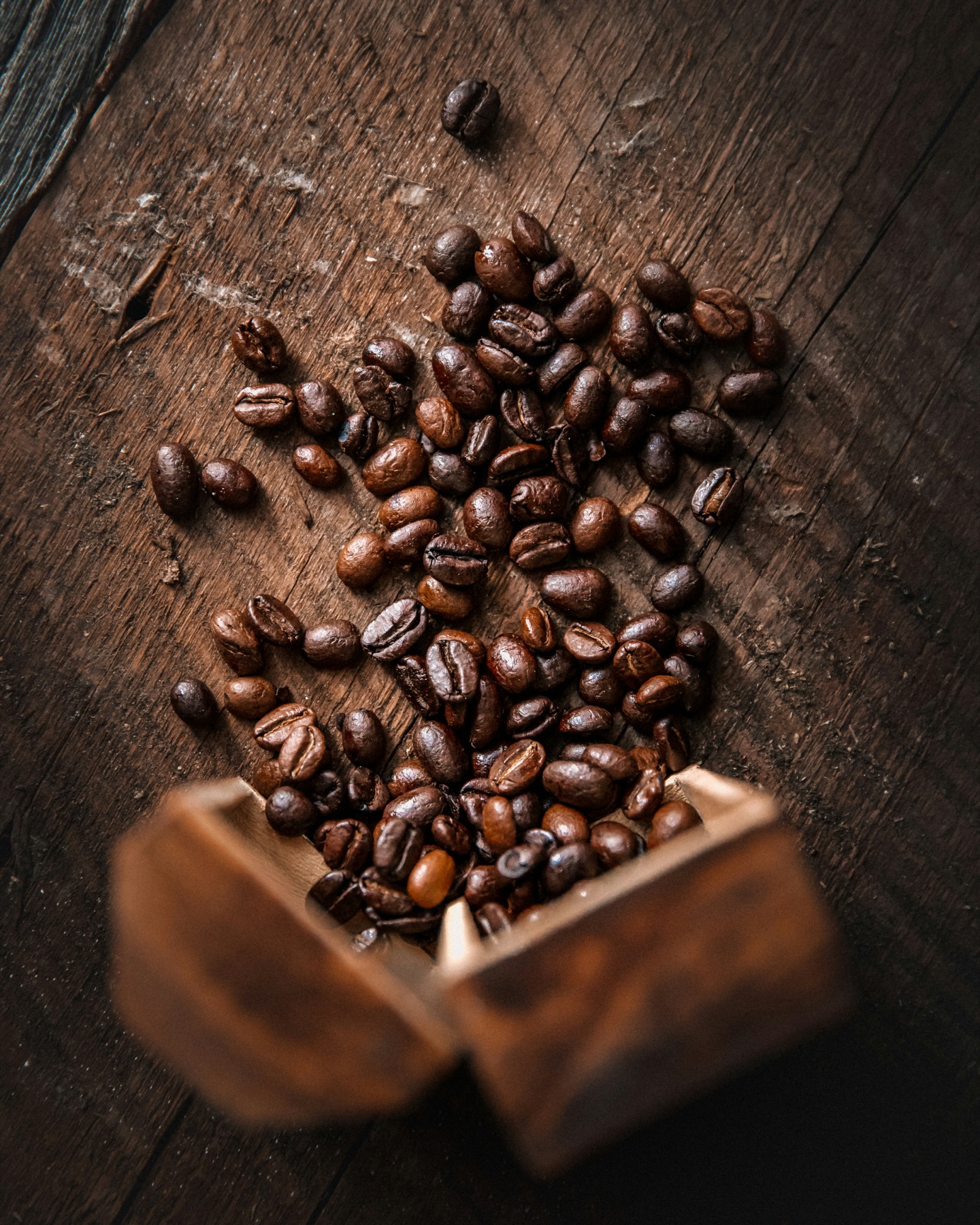
Choose light for clearer origin-led potential, medium for a flexible starting point, and dark for deeper roast intensity or milk-drink presence.
These are tendencies, not guarantees. Roasters do not share one universal roast scale, and the grinder, water and recipe can move the result substantially.
Light roast
Often chosen for clearer fruit, floral or origin-led character, but the exact cup depends on the coffee and roasting approach.
Usually asks more from grinder consistency, water and recipe control—especially for espresso.
Medium roast
A broad middle direction that can combine sweetness, acidity and body without defining one fixed flavour.
Often the least intimidating place to begin across espresso, filter and milk, while still requiring a suitable recipe.
Dark roast
Often chosen for deeper roast, chocolate, spice or bitter-sweet directions that can remain prominent in milk.
Can extract readily; avoid treating the same grinder setting and recipe used for a lighter coffee as permanent.
Five clues are more useful together.
- 01
Intended brew method. Espresso, filter and omni-roast guidance sets a clearer starting expectation than colour alone.
- 02
Flavour description. Look for a direction you already enjoy—chocolate, caramel, fruit, floral or spice—without treating notes as added flavours.
- 03
Origin and process. These add context but do not override the roaster’s current description or your own taste.
- 04
Whole bean or ground. Buy whole beans only when the grinder suits the brew method; otherwise choose the correct grind format from the roaster.
- 05
Bag size. Buy an amount the household can use while it still tastes lively, rather than chasing the lowest price per kilogram.
Direct answers without roast mythology.
Does dark roast have more caffeine?+
Roast colour alone does not give a reliable cup-level caffeine answer. Coffee species, dose by mass, beverage size and extraction all matter. Compare the actual recipe rather than choosing by colour for caffeine.
Is light roast more acidic?+
Light roasts are often associated with brighter perceived acidity, but origin, processing, roast development, water and brewing all change the result. Acidity as a flavour quality is not the same as a simple pH claim.
Which roast is best for espresso?+
There is no universal best roast. Medium is a practical starting direction, dark can suit traditional or milk-led drinks, and light can reward buyers who want clearer origin character and accept a more demanding dial-in.
Which roast is best for bean-to-cup machines?+
A balanced medium or medium-dark whole bean is a practical starting direction. Check the exact machine manual before using very dark, visibly oily, flavoured or coated beans.